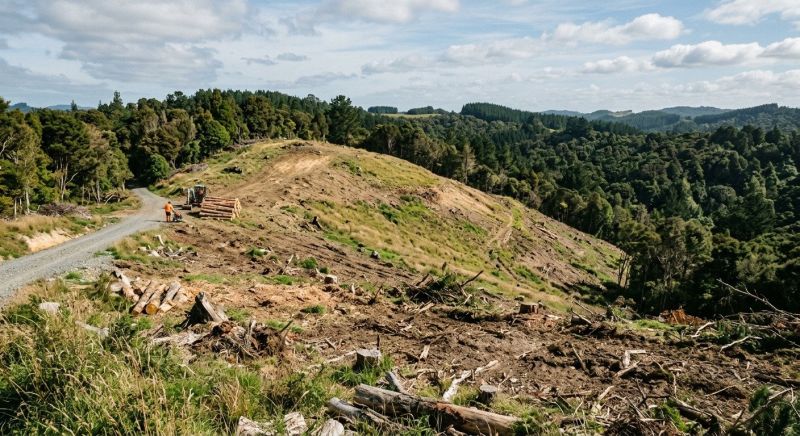
Thicket Clearing in Atlanta, GA
Thicket clearing services involve removing dense growth of shrubs, small trees, and underbrush to improve the appearance, safety, and usability of a property. These services are commonly requested for projects such as creating open lawns, preparing land for construction or landscaping, controlling overgrown areas, or restoring visibility around homes and fences. Property owners typically want to understand the extent of clearing needed, the types of vegetation involved, and how the work may impact existing features like trees or structures before requesting assistance.
Before requesting thicket clearing, homeowners should consider the size of the area to be cleared, the types of plants or brush present, and any local regulations regarding vegetation removal. Clarifying these details helps ensure the work aligns with property goals and environmental considerations. Understanding the scope of the project and any specific access or safety requirements can also facilitate a smooth and effective clearing process.
Many property owners in Atlanta, GA look into Thicket Clearing for repairs, replacements, upgrades, and appearance-related improvements.
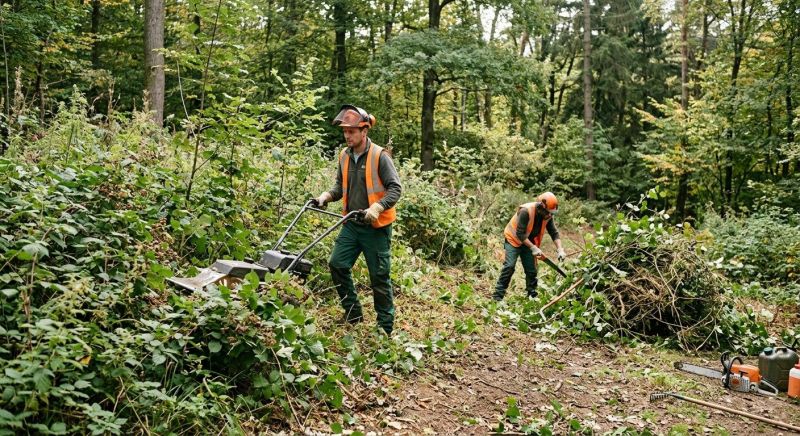
Thicket Clearing For Property Expansion
Removing dense brush helps create open spaces for building or landscaping projects.
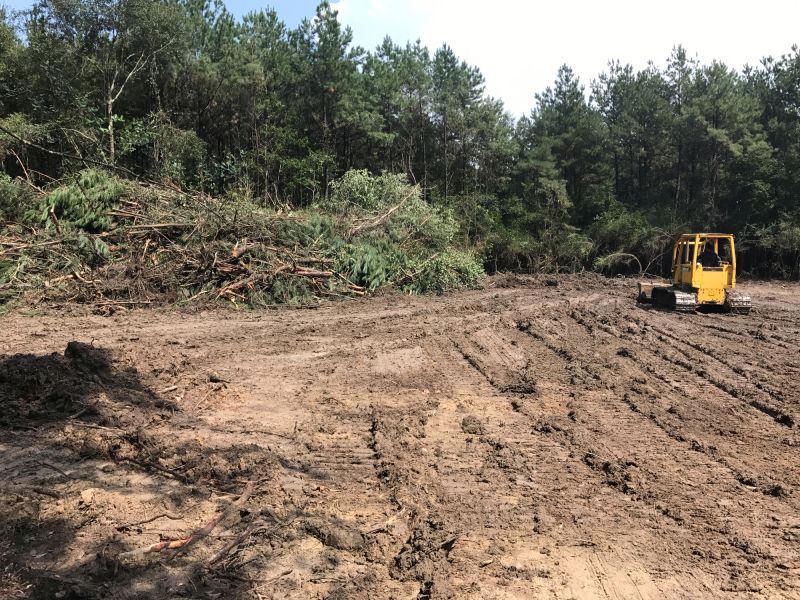
Improving Access And Safety
Clearing thick undergrowth enhances pathways and reduces hazards on residential properties.
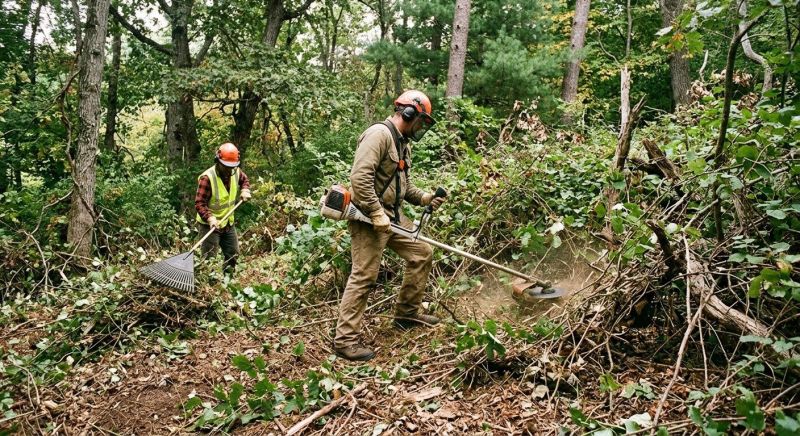
Preparing Land For Development
Thicket removal prepares land for construction, gardening, or recreational use in atlanta and nearby areas.
Thicket Clearing in Atlanta, GA
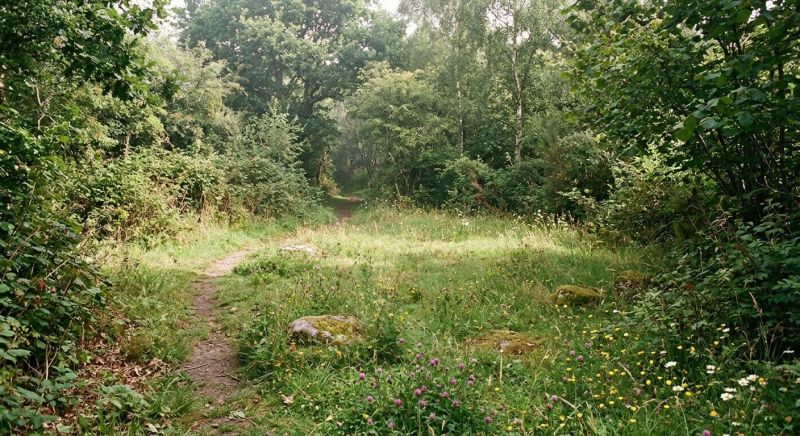
Thicket clearing services involve removing dense growth of shrubs, small trees, and underbrush to improve the appearance, safety, and usability of a property. These services are commonly requested for projects such as creating open lawns, preparing land for construction or landscaping, controlling overgrown areas, or restoring visibility around homes and fences. Property owners typically want to understand the extent of clearing needed, the types of vegetation involved, and how the work may impact existing features like trees or structures before requesting assistance.
Before requesting thicket clearing, homeowners should consider the size of the area to be cleared, the types of plants or brush present, and any local regulations regarding vegetation removal. Clarifying these details helps ensure the work aligns with property goals and environmental considerations. Understanding the scope of the project and any specific access or safety requirements can also facilitate a smooth and effective clearing process.
Many property owners in Atlanta, GA look into Thicket Clearing for repairs, replacements, upgrades, and appearance-related improvements.
Common Thicket Clearing Jobs
Thicket clearing - removes dense brush and undergrowth to improve property accessibility.
Overgrown lot clearing - clears thick vegetation to create open, usable yard space.
Brush removal - eliminates unwanted shrubs and small trees for a cleaner landscape.
Vegetation management - maintains healthy plant growth by selectively removing excess growth.
Wildfire prevention clearing - reduces fire risk by removing combustible underbrush and dead vegetation.
Pathway and driveway clearing - ensures clear access by removing obstructive thickets along routes.
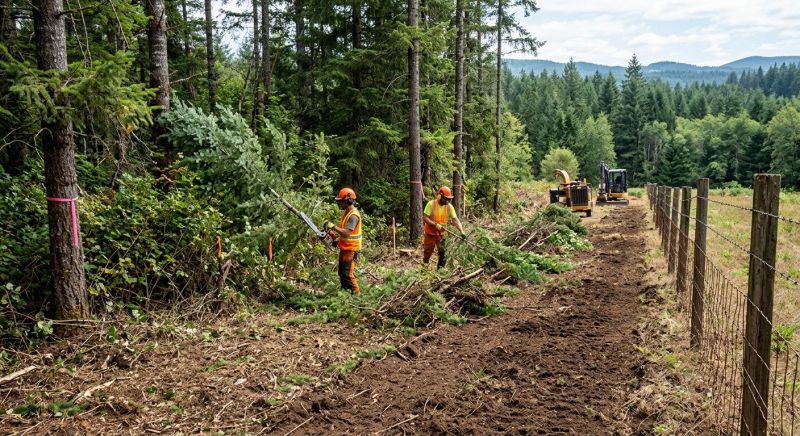
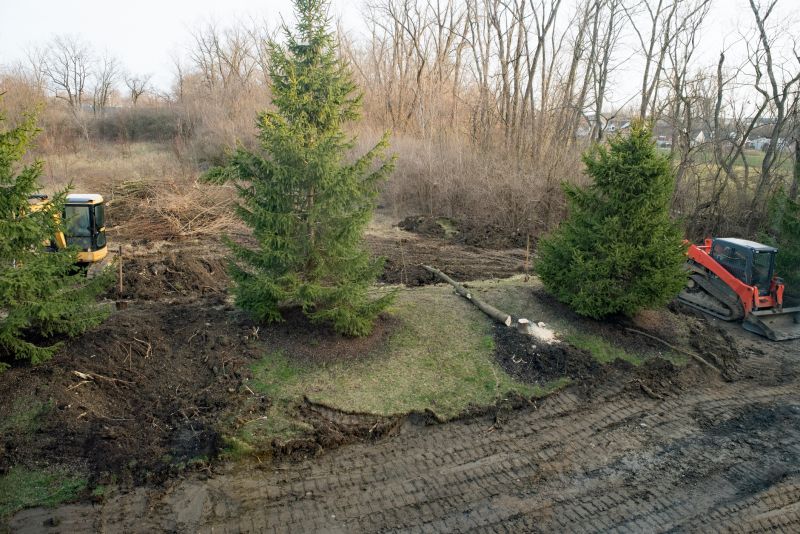
Thicket Clearing Questions
What is thicket clearing? Thicket clearing involves removing dense brush, shrubs, and small trees to improve land accessibility and appearance.
When is thicket clearing needed? It is typically requested for property development, landscaping, fire prevention, or to restore open land.
What types of properties benefit from thicket clearing? Residential yards, farmland, commercial sites, and recreational areas often require thicket clearing services.
What should property owners consider before clearing? It’s important to determine the extent of vegetation, potential permits, and desired land use after clearing.
Request Thicket Clearing in Atlanta, GA
Use the quote form on this page to share the basics of your project and request more information for the type of work you need.